How Maynard Public School Found an Ontario Curriculum-Aligned Literacy Program and Lifted Reading Levels with Reading Eggs

Note for readers: This case study features Maynard Public School in Ontario, Canada. While the curriculum context is Canadian, Reading Eggs is built to align with curricula across every region it serves, and the experiences shared here are relevant to classrooms everywhere.
When Jennifer Moore began looking for a new literacy program for Maynard Public School, alignment mattered as much as engagement.
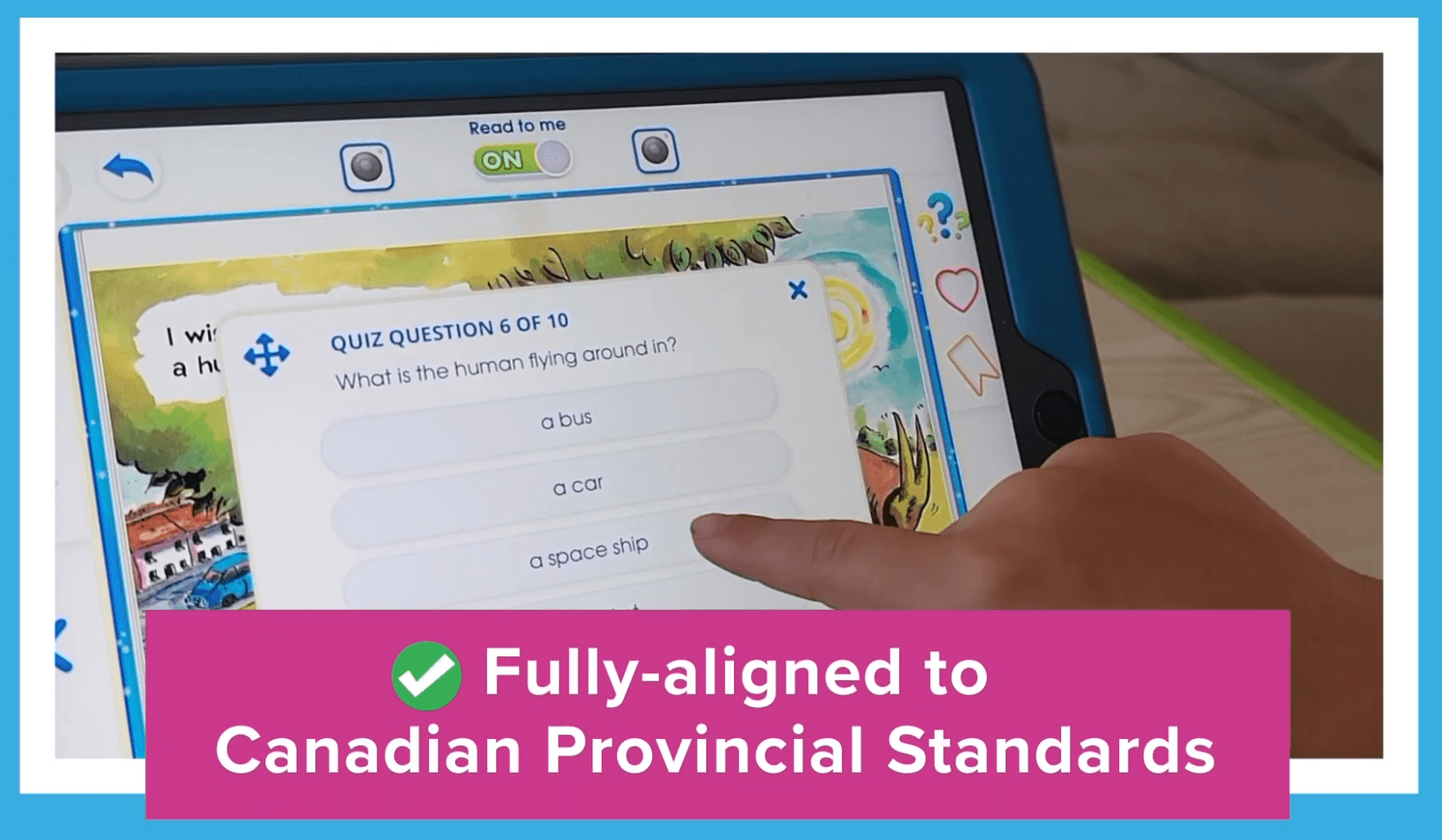
The K–6 school had been using an American-based program, but Jennifer and her team wanted something that fit more closely with the Ontario curriculum and the structured literacy focus of their school board – particularly the UFLI (University of Florida Literacy Institute) framework.
Jennifer has been a principal for 18 years and leads a school in Prescott, Ontario. After switching to Reading Eggs, she's seen what happens when a program meets students where they are and where their curriculum is heading.
"We were using a program that was American-based," Jennifer says. "So we really wanted to find something that aligned itself with the Ontario curriculum and the focus of our school board with UFLI. And we wanted to make sure it was research-based and engaging for our students."
Hear directly from Jennifer about why Maynard Public School made the switch:
Aligned with UFLI and structured literacy
Reading Eggs is grounded in the same structured literacy principles guiding evidence-based reading instruction in classrooms across North America.
The decoding-first, systematic-sequence approach maps neatly onto frameworks like UFLI – meaning teachers don't have to reverse-engineer alignment or supplement what's missing.
For Jennifer, that alignment was the entry point. But the deeper she looked, the more confident she felt.
"When I reached out to Reading Eggs to talk to somebody, they led me through and I saw how interactive it was," she explains. "And I thought it would be perfectly engaging for our students."
A home-school connection that lifts reading levels
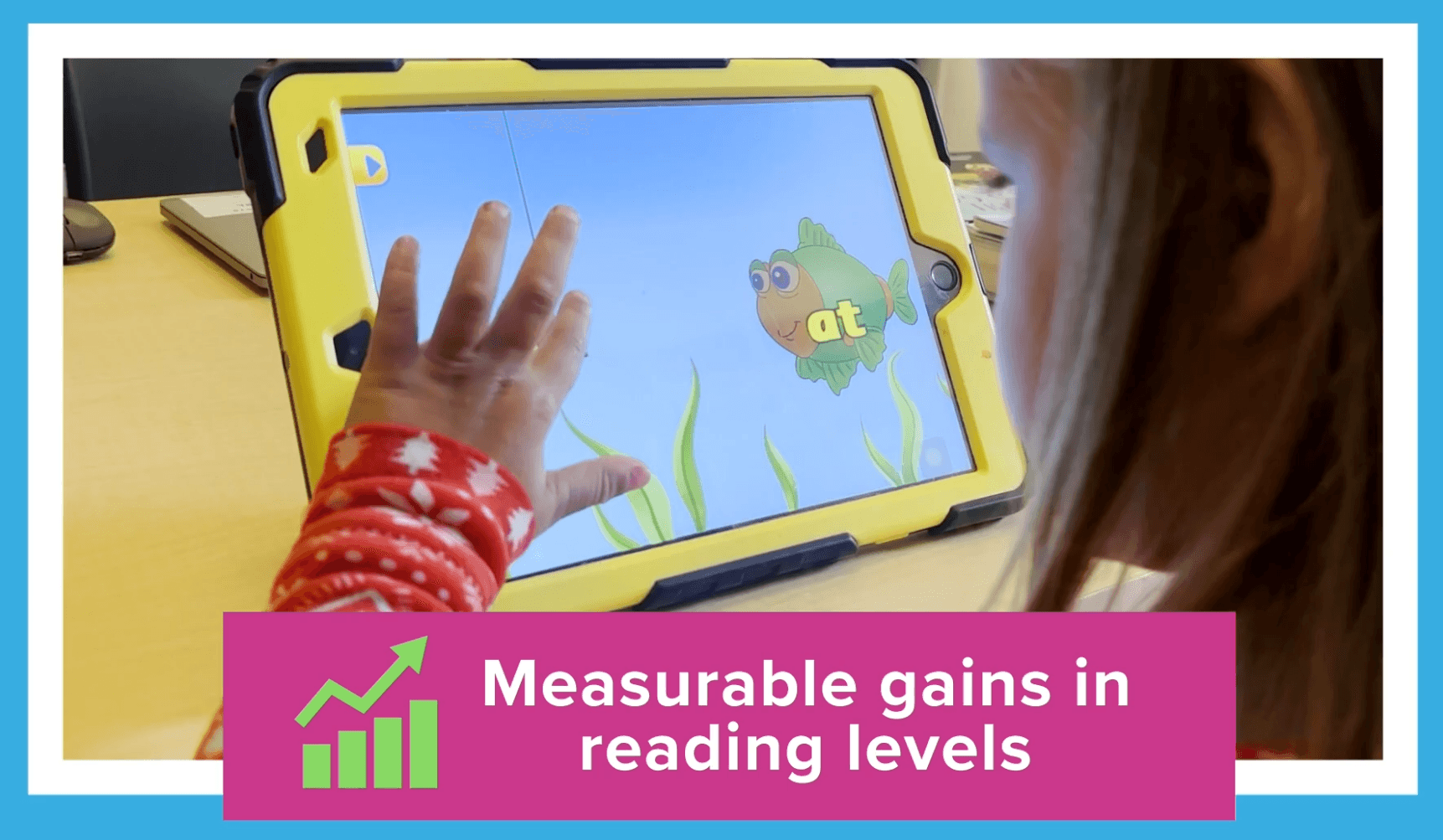
The first thing Jennifer noticed once students started using the program was excitement, even from those who'd previously been reluctant to pick up a book.
"The experience we've had with this program has been extremely positive," she says. "Students are excited to use it!"
One of the standout findings for Jennifer has been how that engagement has followed students home.
With Reading Eggs accessible beyond the classroom, students who became hooked in class kept learning – after the bell.
"One of the most exciting things we've seen through our data is that the kids who become very engaged in it like to do it at home as well. And because of that home-school connection, we're actually seeing a rapid increase in their reading level if they're doing it in both areas."
Data that drives instruction
For teachers, the assessment and reporting tools made the program easy to fold into existing practice.
Students are placed at the right level from the start, and teachers can reassess as students progress.
"Teachers love that when the kids first start, they’re assessed and then placed on a level that fits them," Jennifer says. "And then they work through the levels. They also like the option to reassess."
Teachers at Maynard use Reading Eggs to:
Place students accurately based on their current level
Reassess and track progression over time
Pull data for reporting, parent conferencing, and student feedback
Cover phonics, comprehension, and writing in one connected program
Support deliberate practice during literacy centres.
"It just kind of covers everything!" Jennifer adds.
Bringing reluctant readers back to books
Across the school, Jennifer has watched students grow not just in skill, but in confidence – the kind of confidence that turns reluctant readers into eager ones.
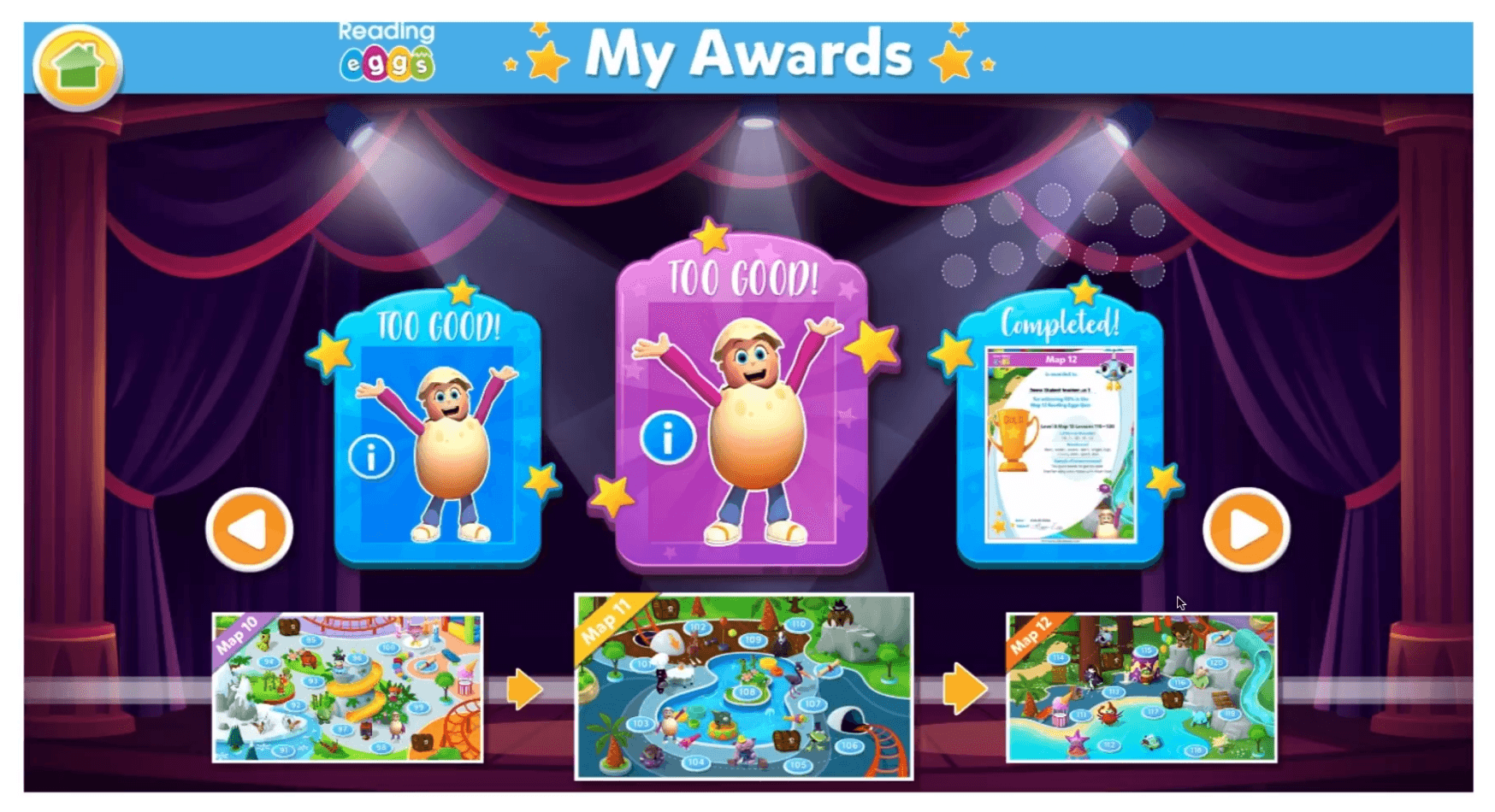
"We want kids to be able to decode and feel confident in their skills early so they keep improving," she says. "We don't want them to be reluctant readers. We want them to be excited about their growth. And Reading Eggs allows them to see that progression and see themselves getting better as they work through the stages, which is very motivating for them."
Reading is no longer something they're asked to do. It's something they're choosing.
"Their skills have increased. And we see them grabbing different books off the shelves for reading time in the classroom and on their trips to the library.”
Customer support, every step of the way
For school leaders, the right partner can make all the difference when introducing a new literacy program.
Jennifer credits the team at Reading Eggs with making the transition feel easy from the start.
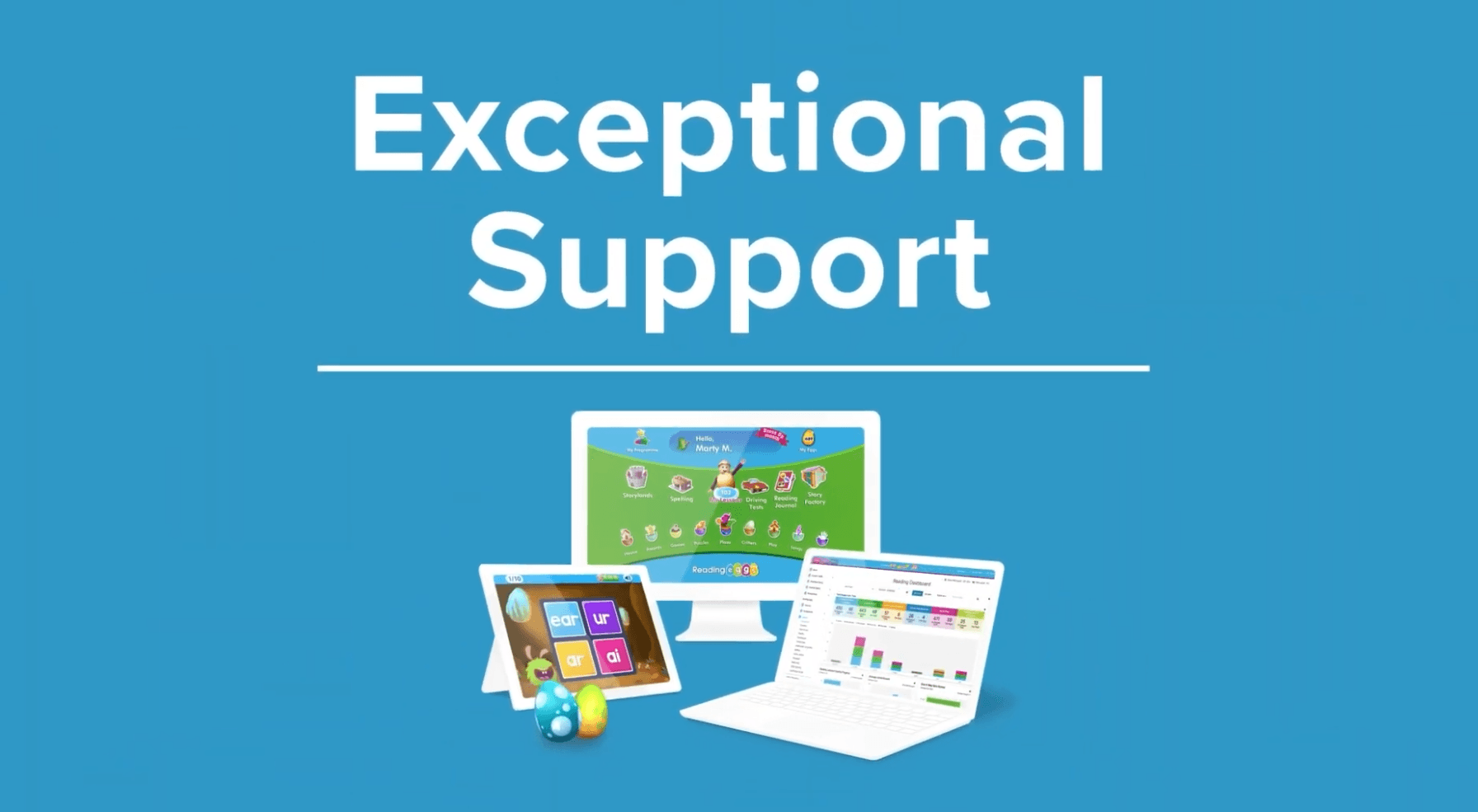
"The team at Reading Eggs have been amazing. That was one of the biggest things – the customer service. Whenever I had a question, I email and get a response immediately, and they set up either a FaceTime call or send an email, and they help with setting rosters up. My staff and I have been very impressed with the amount of support we've received."

Why Maynard is expanding its Reading Eggs licenses
Ask Jennifer what's next, and the answer speaks for itself:
"I'm just very excited about the program," Jennifer says. "I'm excited to watch the kids using it and we've increased our licenses for the next school year so we can expand into our junior classes."
For Jennifer, the program checks every box she set out looking for: curriculum alignment, structured literacy, real-time data, engaged students, and a supportive team behind it. But the part that matters most is the part she sees every day.
"Even our most reluctant students, when it comes to reading, are engaged by the program and are excited to dive into it each day!"
See what Reading Eggs could do for your school
Curriculum-aligned, evidence-based, and proven to engage even your most reluctant readers. Learn more today!

You might also like


Discover Topics
